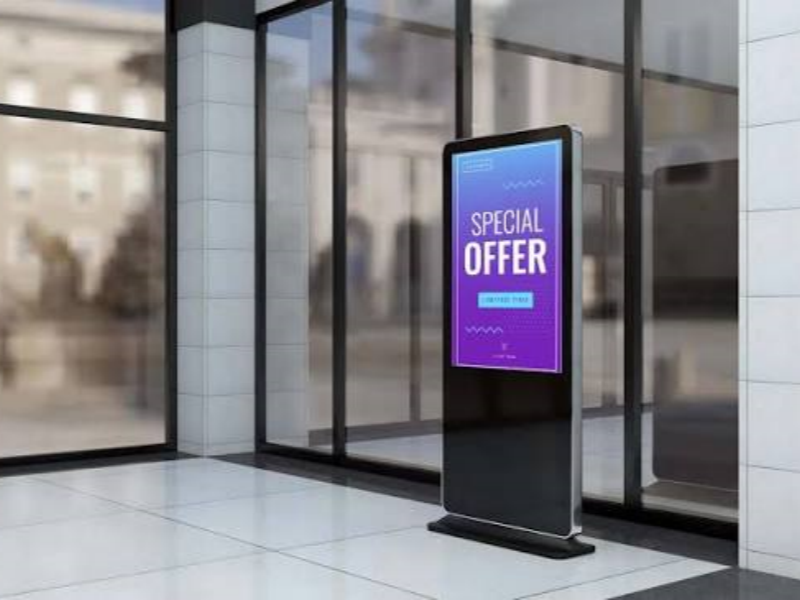
The answer is not a number. It is an equation with variables that most operators underestimate, miscalculate, or ignore entirely until their cash flow turns negative. An outdoor self-service kiosk demands $300–$800 monthly in operating expenses. A high-traffic outdoor ordering kiosk burns through $500–$1,500 per month. A basic outdoor information terminal costs $200–$600 monthly after deployment.
But I've watched too many people fixate on these headline numbers without understanding what's underneath them. This analysis breaks down every cost component, exposes the hidden expenses that destroy margins, and provides the financial framework necessary to evaluate any outdoor kiosk operation with precision.
Two Financial Phases That Cannot Be Confused
Running an outdoor kiosk involves two distinct financial phases: the initial capital outlay to become operational, and the recurring monthly burn rate required to stay operational. Conflating these leads to undercapitalization-the primary killer of outdoor kiosk businesses.
Startup Capital Requirements

The upfront investment establishes the foundation. Cutting corners here creates problems that compound over time-and with outdoor kiosks, cutting corners on weatherproofing creates problems that compound faster than almost anything else.
Physical Structure and Hardware
A basic indoor self-service kiosk costs around $3,000–$8,000, but outdoor-rated units push closer to $8,000–$18,000. The price jump comes entirely from weatherproofing-IP65/IP66 ratings, sunlight-readable displays, temperature regulation, vandal-resistant enclosures. None of it is optional if you're deploying outside.
Standard outdoor self-service kiosks with touchscreen displays sit in the $10,000–$25,000 range. Custom-configured units with payment integration, printers, cameras, and advertising displays? I've seen quotes anywhere from $20,000 to north of $45,000, depending on specifications and vendor.
Multi-function outdoor kiosks are where budgets really start to stretch. Full payment processing, receipt printing, barcode scanning, climate control-you're looking at $25,000 minimum, and I've seen deployments push well past $50,000 when requirements get complex.

A case from Florida drives this home: a freestanding outdoor ordering kiosk deployment required $18,000 for the kiosk unit, $6,000 for outdoor enclosure and weatherproofing, $4,500 for installation and electrical work, and $2,500 for network infrastructure. Total: $31,000 before processing a single transaction. Not every operation hits these numbers, but the example shows how quickly costs escalate when outdoor exposure and full-feature requirements enter the equation.
Location Security Deposits
Property owners require 1–3 months of placement fees as security. For a $250/month location, this means $250–$750 locked up and unavailable for operations. Premium locations charging $600/month push deposits to $1,800 or more. Money you can't touch, earning nothing, while you wait for transaction volume to build.
Software and Integration Setup
Self-service kiosks require software configuration and backend integration before going live. Initial software licensing and setup fees typically range from $1,000–$5,000. Integration with existing POS systems, inventory management, or booking platforms adds more-how much depends entirely on how messy your existing tech stack is. I've seen simple integrations done for under $1,000 and complex ones that required $15,000+ in custom development.
Permits and Licensing
Costs vary wildly by jurisdiction-and outdoor kiosks face regulatory requirements that indoor operations sometimes avoid.
Business licenses might cost $50 or $500 depending on where you are. Sidewalk or public space usage permits for outdoor installations can run a few hundred dollars annually or over $1,000 in certain cities. Health department permits may be required if the kiosk dispenses food-related items.
The real surprise hits operators in California and similar states: ADA compliance modifications. This often goes unmentioned in initial planning. Depending on the setup, operators could be looking at several thousand dollars in modifications never budgeted for-outdoor locations require accessible approach paths, proper height positioning, and audio assistance features. I don't have great data on exactly how much this costs across different scenarios, but I've heard numbers ranging from $2,000 to over $6,000.
Technology Infrastructure
Network connectivity, payment processing integration, monitoring systems-collectively these add $500–$2,500 for setup. Cellular connectivity hardware for locations without hardwired internet runs $150–$400. Remote monitoring and management system setup costs vary by provider.
Power infrastructure deserves special attention. Grid connection for outdoor locations can cost anywhere from $1,000 to $5,000+ depending on distance from existing infrastructure-this is one of those costs that's almost impossible to estimate without a site assessment. Battery backup systems and solar-assisted power for remote locations add more, but I won't throw out specific numbers here because they depend too heavily on local conditions and equipment choices.
Startup Capital Summary
Budget $8,000–$18,000 minimum for a basic outdoor information kiosk, $15,000–$35,000 for an outdoor ordering/payment kiosk, and $25,000–$50,000+ for multi-function deployments. These ranges are wide because your specific requirements-location, features, integration complexity-will determine where you land.
The operators who get burned are the ones who budget for the low end and then discover their situation demands the high end.

Monthly Operating Costs: The Recurring Burn
Every dollar listed here leaves the business every month, regardless of revenue performance. The good news: self-service outdoor kiosks have dramatically lower operating costs than staffed operations.
Placement Fees and Rent
Location cost influences viability, but represents a smaller percentage of total costs than with staffed kiosks.
Low-traffic retail or restaurant placements might only cost $100–$250 monthly. High-traffic venues like shopping centers or transit stations want $400–$800. Premium positions in airports, stadiums, or major tourist areas can hit $2,000 or more-and entertainment venues sometimes push even higher, often with revenue-sharing arrangements layered on top.
But base rent only tells part of the story. Actually, it tells maybe half the story if you're lucky.
Revenue Sharing catches operators off guard. Many placement agreements include a clause requiring 10%–30% of transaction revenue above a threshold-or in place of fixed rent entirely. A kiosk generating $3,000 monthly in transaction revenue with a 20% revenue share pays $600 to the location owner. I'll come back to this later because it deserves its own section-it's one of the ways property owners have figured out how to profit from your success while bearing none of your risk.
Common Area Maintenance (CAM) may add $50–$150 monthly for locations in shopping centers or managed properties.
No Labor Costs-The Core Economic Advantage
Self-service outdoor kiosks eliminate traditional labor costs entirely. This is the primary economic advantage of the model.
A staffed service counter requiring 10 hours daily, 7 days weekly costs $8,000–$15,000 monthly in labor depending on your market. A self-service kiosk performing the same transactions costs a fraction of that to operate. The labor savings alone justify the technology investment within months for most deployments.
However, someone must handle maintenance checks, supply restocking (receipt paper, promotional materials), and issue response. Most operators handle this themselves or include it in service contracts.
Route management time for owner-operators varies significantly based on kiosk reliability and location accessibility. Figure 1–3 hours weekly per kiosk for maintenance checks, paper replacement, and cleaning. Whether this represents smart passive income or expensive busywork depends on your scale and what else that time could produce.
Utilities
Electricity for outdoor kiosks runs $25–$60 monthly for basic units. Units with climate control (heating/cooling for extreme temperatures) cost more-I've seen monthly bills double during heat waves when cooling systems run continuously.
Cellular data connectivity adds $30–$80 monthly per unit. Hardwired internet, where available, typically runs higher but offers better reliability.
Weather-related utility spikes affect outdoor units more than indoor. Budget above baseline estimates for weather contingencies-how much above depends on your climate.
Insurance
Coverage requirements are lower than staffed operations but still essential. General liability coverage for self-service equipment runs lower than staffed locations. Equipment insurance covering theft, vandalism, and weather damage is essential-outdoor kiosks face risks indoor units don't. Most operators I've talked to land somewhere between $40 and $150 monthly per unit, but your specific situation and coverage requirements will determine the actual cost.
Technology and Processing
Transaction processing fees represent a significant variable cost category for payment-enabled kiosks.
Payment processing fees run 2.3%–3.5% of transaction value. A kiosk processing $10,000 monthly in payments generates $230–$350 in processing expenses.
Software licensing, remote monitoring, content management, compliance updates-collectively budget $50–$200 monthly, though this varies significantly by vendor and feature set. Remote monitoring becomes essential for outdoor operations-you need to know immediately when a kiosk goes offline, displays errors, or experiences tampering.
Maintenance and Repairs
Equipment fails-and outdoor equipment fails faster. Budget for it.
Routine maintenance-cleaning, receipt paper, touchscreen calibration-should be factored into your monthly costs. How much depends on transaction volume, environment, and equipment quality. Outdoor enclosures require regular seal inspection. Touchscreens need periodic cleaning and recalibration. Receipt printers jam more frequently in humid conditions. Card readers require cleaning.
Annual maintenance contracts for outdoor kiosks typically run $500–$2,000 per unit. Worth it when something breaks at 6pm on a Saturday and your kiosk is showing an error screen to frustrated customers.
Weather damage reserves represent a cost category that barely exists for indoor operations. Set aside money monthly toward a reserve fund for storm damage, vandalism, and weather-related equipment failure. A single severe weather event can require $1,000–$4,000 in repairs-sometimes more.
Marketing and Signage
Signage, lighting, branded toppers, digital advertising displays-these costs amortize over equipment life. Outdoor kiosks benefit significantly from visibility investments-illuminated signage and attractive displays can meaningfully increase usage rates at locations with evening traffic.
What Does This All Add Up To?
For a well-managed operation at a moderate location, monthly costs of $500–$800 are typical. Simpler deployments can run lower; complex setups in premium locations run higher. The break-even calculation depends entirely on your revenue model-transaction fees, labor replacement savings, increased order values, or contracted services.
I'm deliberately not giving you a perfect cost breakdown table here because the reality is messier than any table can capture. Your specific combination of location, equipment, and use case will determine your actual numbers.
The Costs Nobody Warns You About
Seasonality Affects Transaction Volume
Outdoor kiosk traffic follows location-specific patterns. Tourist areas see dramatically higher volume during peak season and crater during off-season. Beach locations die in winter. Ski resort kiosks die in summer. Urban locations may see summer slowdowns when locals vacation.
Fixed costs remain constant through all of it.
A kiosk that generates strong ROI in July may barely break even in February. Without several months of operating reserves, this mismatch becomes fatal. I've talked to operators who celebrated their summer numbers, expanded into additional units in September, and by February were decommissioning machines from unprofitable locations. The pattern is so predictable it's almost boring-except it keeps happening.
Weather closures affect transaction volume more than you'd expect. People don't use outdoor kiosks in thunderstorms, blizzards, or extreme heat. An indoor kiosk operates regardless of weather. An outdoor unit may see significant volume drops during severe weather periods-I've heard operators report drops of 25%–45%, though this obviously varies by location and weather severity.
Revenue Sharing Punishes Success
I mentioned this earlier. Here's why it matters so much.
Property owners calculate revenue share on gross transaction value, not net profit after expenses. Gross. Revenue.
Consider a kiosk generating $5,000 monthly in transaction revenue with $1,500 in operating costs and a 25% revenue share arrangement. That revenue share comes to $1,250-leaving only $2,250 before your operating costs. Your actual profit: $750. The property owner takes $1,250 while bearing zero operating risk or expense.
The math gets worse as volume increases. Higher volume means more processing fees, more maintenance, more wear on equipment-but the revenue share percentage stays constant or even increases at some locations.
Vandalism and Tampering
Outdoor kiosks face security threats indoor units rarely encounter. I don't have hard industry statistics on this, but from conversations with operators, outdoor self-service equipment experiences significantly higher vandalism rates than indoor placements-some have told me 3–4x higher, though that probably varies by neighborhood and deployment type.
Screen damage from impact or scratching can cost $500–$2,000 to repair depending on display type. Payment device tampering requires immediate response and potential device replacement. Graffiti and cosmetic damage may seem minor but affects brand perception and user willingness to engage.
Budget toward a security reserve fund. This cost appears nowhere in optimistic projections but materializes with depressing regularity.
Technology Obsolescence
Technology standards evolve. Payment security requirements tighten. Software platforms end support. Operating systems reach end-of-life. Accessibility standards expand.
Plan for complete technology refresh every 5–7 years, or face sudden, large, unavoidable expenses. Outdoor equipment may require refresh sooner due to accelerated environmental wear on touchscreens, seals, and electronic components. Nobody ever budgets for this. Then suddenly their kiosk doesn't support current payment standards and they're scrambling to find $15,000 they don't have.
The Time You Invest Has a Price
An owner managing 8 kiosks spending 12 hours weekly on route management, maintenance checks, and issue response-generating $40,000 annual profit across the fleet-earns solid returns for that time. But a single-unit operator spending 3 hours weekly generating $4,000 annual profit? The hourly rate looks much less impressive. Whether this represents smart passive income or an expensive hobby depends entirely on scale and what else that time could produce.
How Different Outdoor Kiosk Types Compare
I'll focus on the types I have the most insight into. There are other deployment categories, but I'd rather go deep on a few than give you shallow coverage of everything.
Outdoor Ordering Kiosk (Quick Service Restaurant)

This is where the economics often work best, especially for operators deploying at their own locations.
Moderate startup-$15,000–$35,000 for purchased equipment with outdoor rating. If you're deploying at your own business, placement fees disappear. Processing fees depend on transaction volume.
The real value proposition: labor cost offset. Replacing or supplementing counter staff can save thousands monthly, and the payback period often runs under a year for well-executed deployments.
Additional revenue uplift: self-service ordering typically increases average ticket size 15%–25% as customers feel less rushed and more comfortable adding items. This is well-documented across the industry.
Outdoor Ticketing/Admission Kiosk
Higher startup-$20,000–$45,000 for equipment with ticket printing, barcode scanning, and payment processing. Monthly placement fees for third-party venues vary widely.
Revenue model typically involves per-ticket fees or percentage of sales. The economics here are trickier than ordering kiosks because you're often not replacing labor directly-you're extending service availability or reducing lines.
I have less direct insight into ticketing kiosk economics than ordering kiosks, so I won't pretend to give you precise payback calculations.

Outdoor Information/Wayfinding Kiosk

Lowest operating costs in this category. Revenue model differs entirely-typically contracted services for municipalities, business districts, or property management companies rather than per-transaction fees.
These deployments live or die on the contract terms you negotiate, which vary too much for me to give useful generalizations.
Investment Recovery
I'll walk through one example in detail rather than giving you multiple scenarios with suspiciously precise numbers.
Purchased Outdoor Ordering Kiosk Example (Restaurant Deployment)
Equipment investment: $25,000. Monthly operating costs: approximately $400 (minimal placement fee at own location). Monthly labor savings: let's say $3,500 conservatively (equivalent of roughly 0.8 FTE, though this depends heavily on your local labor costs). Monthly ticket increase from upselling: varies, but 15% lift on kiosk sales is a reasonable expectation based on industry data.
If these numbers hold, payback comes in under a year. But I want to be clear: these are illustrative figures. Your actual results depend on your labor costs, transaction volume, and execution.
The broader point: scale provides dramatic efficiency gains. Route management, maintenance contracts, and software licensing all cost less per unit when you're operating multiple kiosks. Single-unit operations face much harder economics.
Reducing Costs Without Destroying Value
Location Negotiation
Property owners negotiate. Most first-time operators either don't realize this or they're too intimidated to try. Empty kiosk spots earn property owners nothing. Keep that in mind.
What works: requesting 2–3 months free placement at deployment. Negotiating caps on revenue share during the first year. Securing placement fee reductions in exchange for longer contract terms. Offering guaranteed minimums in exchange for lower percentage shares-property owners often prefer predictable income over higher but variable percentages.
Maintenance Efficiency
Implement preventive maintenance schedules to catch issues before they cause downtime. A kiosk offline for repairs loses more in missed transactions and customer frustration than the cost of regular servicing.
Use remote diagnostics (most modern kiosk software includes this) to identify issues before dispatching technicians. Batch multiple kiosk services into single site visits when possible.
Technology and Monitoring
Invest in quality remote monitoring. The monthly cost pays for itself the first time you catch a paper jam or connectivity issue before it costs you a day of lost transactions.
Consolidate software and processing relationships as you scale. Volume discounts on licensing and transaction processing can reduce per-unit costs meaningfully at scale.
How Outdoor Kiosk Operations Fail
The patterns repeat.
Undercapitalization kills more outdoor kiosk deployments than bad technology or weak locations. Starting with insufficient reserves means the operation cannot survive the first slow season, the first vandalism incident, or the first unexpected equipment failure. All three will arrive.
Location Overoptimism follows close behind. Projecting transaction volumes based on foot traffic without understanding that outdoor kiosk usage rates run significantly lower than indoor equivalent locations leads to revenue shortfalls.
Revenue Share Miscalculation catches operators who modeled their finances on gross revenue without fully accounting for the property owner's cut coming off the top before operating expenses.
Maintenance Underestimation hits operators who budget for equipment and software but not for the accelerated wear, cleaning requirements, and component replacement that outdoor deployment demands.
Downtime Tolerance destroys ROI when operators treat kiosk outages as low-priority issues. Every hour offline costs transactions, damages customer perception, and erodes the labor-saving value proposition. Response time matters.
Working Capital Depletion happens when operators use operating reserves for expansion or equipment upgrades, leaving no buffer for revenue fluctuations. The first slow month becomes the last month.